
How Much Do Kitchen Renovations Cost? A Practical Budget Guide
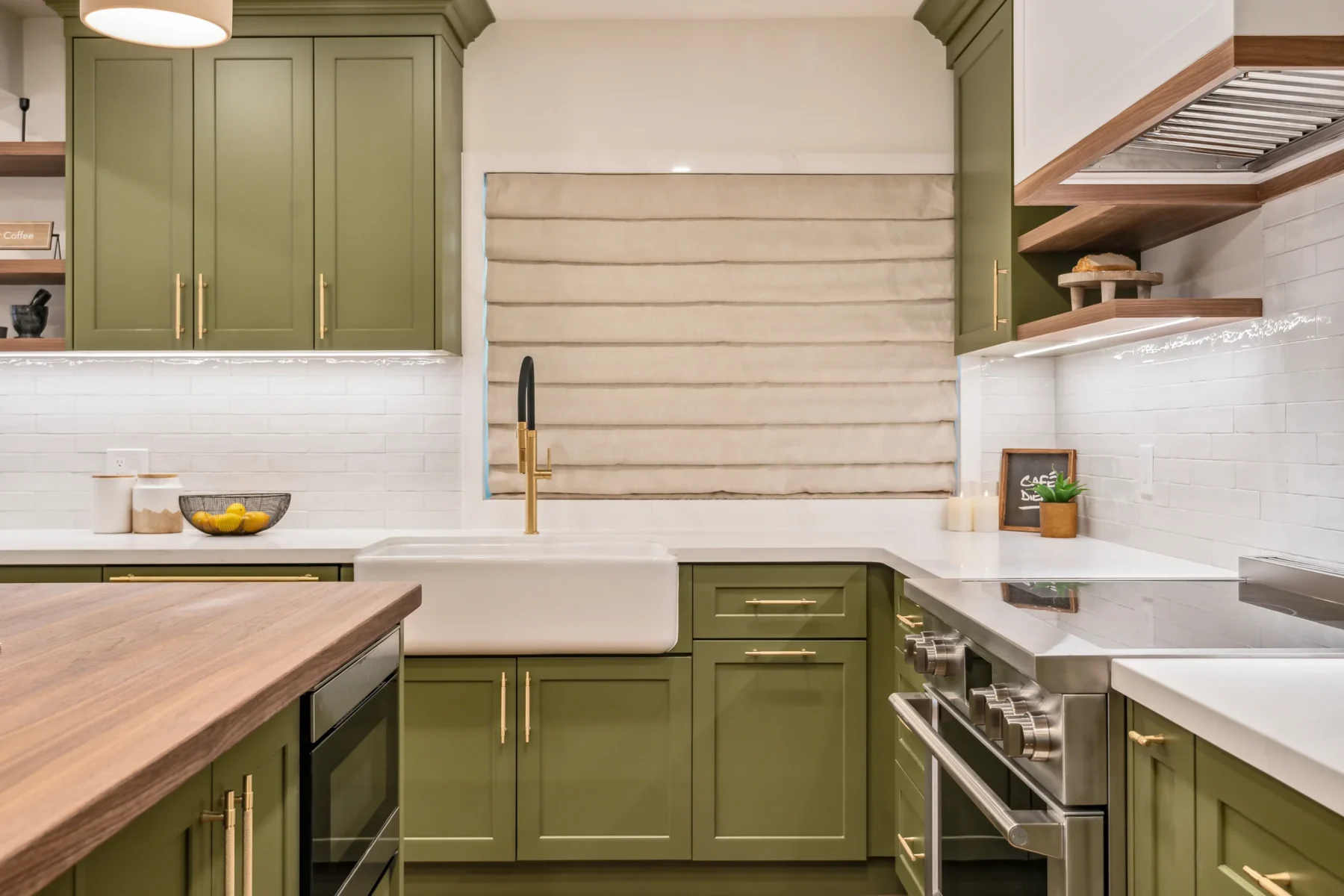
Kitchen renovations are exciting, but they can also feel overwhelming when you don’t know where to start. Here’s the honest answer: costs vary a lot. But that doesn’t mean you’re flying blind. This guide breaks down what you can realistically expect to spend, what drives costs up for kitchen renovations (and what doesn’t have to), and how to plan a budget that actually makes sense for your home and your life.
So, What Does a Kitchen Renovation Actually Cost in Canada?
The typical cost of a kitchen renovation in Canada ranges from $15,000 to $50,000 for mid-range projects. But the real range runs wider than that; a basic cosmetic refresh can come in under $10,000, while a full custom redesign with premium materials can exceed $80,000 or more.
The key isn’t finding a number that matches your budget; it’s understanding what’s driving the cost so you can make smarter decisions.
Here’s a quick snapshot of what different renovation tiers typically look like:

Light Refresh
A light refresh is all about impact without demolition. Think new paint, updated hardware, a modern faucet, under-cabinet lighting, and a fresh backsplash. If your layout works and your cabinet boxes are solid, this approach can make your kitchen feel dramatically different without the cost of a full rebuild.
Best for: Homeowners who like the layout but want the kitchen to feel cleaner, brighter, and more current.
Mid-Range Renovation
This is the most popular tier for Toronto homeowners. A mid-range renovation usually includes new countertops, cabinet refacing or semi-custom cabinetry, new flooring, an updated backsplash, and appliance upgrades. You’ll get a noticeable transformation, and the investment tends to show up in resale value.
Best for: Homeowners who want a real before-and-after without rebuilding everything from scratch.
Full Kitchen Renovation
A full kitchen renovation means starting fresh, a new layout, new cabinetry, new flooring, updated plumbing and electrical, premium countertops, and custom storage. It’s a bigger commitment in time, cost, and planning, but the result is a kitchen that’s built specifically for how your household lives.
Best for: Homeowners whose kitchens no longer function well or who plan to stay in the home long-term.
What Actually Drives Kitchen Renovation Costs?
Two kitchens the same size can cost very different amounts to renovate. Here’s what really moves the needle:
Cabinetry
Cabinets are typically the single largest line item in a kitchen renovation, often accounting for 30-40% of the total budget. Repainting or refacing existing cabinet boxes is usually the most cost-effective path. Stock cabinets are more affordable than semi-custom ones, which are more affordable than fully custom millwork. Knowing which level you actually need (versus want) is one of the best ways to control costs.
Layout Changes
Keeping your sink, stove, and dishwasher where they are keeps costs down. Moving plumbing or gas lines requires trade labour, permits, and inspections, all of which add up quickly. If the layout works, try to keep it.
Countertop Materials
Laminate and butcher block offer great value for budget-conscious projects. Quartz has become the go-to mid-range option for durability and low maintenance. Granite, porcelain slab, and natural stone can be beautiful, but they add cost.
Scope of Electrical and Plumbing Work
Older Toronto homes often have surprises behind the walls: outdated wiring, galvanized pipes, or inadequate ventilation. These need to be addressed before cosmetic work begins, and they’re difficult to estimate until you open things up. Building a contingency into your budget (typically 10-15%) is smart planning, not pessimism.
Appliances
Appliances can quietly eat a significant portion of the budget. Standard-size models are easier to source and install. If you’re tempted by counter-depth, panel-ready, or built-in appliances, know that the premium is real. Replace what you need, not everything at once.
How to Set a Realistic Budget Before You Start
A renovation budget isn’t just a spending limit; it’s a planning tool. Here’s how to build one that holds up:
- Start with your goal: Are you renovating for resale, daily function, more storage, or a fresh look? Your goal shapes every decision that follows.
- List what must be replaced: Damaged cabinets, outdated wiring, broken appliances, and failing flooring. These are non-negotiables.
- List what can stay: Layout, cabinet boxes, appliance locations, and flooring. Keeping things in place saves money.
- Add a contingency: Budget an extra 10-15% for unexpected issues, especially in older homes.
- Get a detailed quote: A real quote should break out labour, materials, finishes, and what’s included or excluded. Vague estimates lead to budget surprises.
Low-Cost Kitchen Renovation Ideas That Actually Make a Difference
Not every kitchen needs a full overhaul to feel new. These are some of the highest-impact, budget-friendly kitchen renovation moves:
Repaint or Reface Your Cabinets
If the cabinet structure is sound, painting them a fresh colour (or going two-tone) can completely transform the feel of the kitchen for a fraction of the replacement cost.
Swap the Hardware
New handles and pulls are inexpensive and surprisingly impactful. It’s one of the easiest upgrades a homeowner can do themselves.
Upgrade the Lighting
Good lighting makes everything look better. Under-cabinet lighting, a statement pendant over the island, or better ceiling fixtures can elevate the space without touching a single cabinet.
Add a Backsplash
A simple tile backsplash can be one of the most cost-effective visual upgrades in a kitchen and it protects the wall at the same time.
Replace Countertops Strategically
If the countertops are the main eyesore, swapping them out while keeping everything else can deliver a big visual payoff at a contained cost.
Where to Save and Where It Pays to Spend
Smart budgeting is about knowing which decisions deliver lasting value and which ones don’t.
Save on Trend-Driven Finishes
Bold tile patterns and statement colours can feel dated within a few years. Timeless finishes, whites, warm neutrals, and classic hardware hold their appeal longer and tend to appeal to more buyers if resale matters.
Save With Semi-Custom or Stock Cabinetry
For most kitchens, semi-custom cabinetry delivers a polished result without the cost of fully custom millwork. The difference often isn’t visible, but it is significant in the budget.
Spend on Quality Installation
Even affordable materials look great when installed well. Poor installation makes expensive materials look cheap. The labour is often where you get what you pay for.
Spend on Durable Countertops
Counters take more daily punishment than almost anything else in the kitchen. Investing in a material that suits how your household actually cooks and holds up to it prevents costly replacement down the road.
Spend on Functional Storage
Storage isn’t glamorous, but it’s what makes a kitchen genuinely pleasant to use. Pull-out drawers, corner solutions, and thoughtful pantry organization pay dividends every single day.
Common Mistakes That Blow Kitchen Renovation Budgets
Kitchen renovation is a major investment. Avoiding common mistakes can help protect your budget and your final result.
Choosing the Cheapest Contractor
The lowest quote is not always the best quote.
Sometimes a cheaper quote leaves out important details, such as electrical work, disposal, finishing, permits, or project management. This can lead to extra costs later.
A good contractor should be transparent about the full scope, not just the starting price.
Starting Without a Clear Scope
If the plan is vague, the budget will be hard to control.
Before work begins, you should know:
- What is being removed
- What is being replaced
- Which materials are selected
- What the timeline looks like
- What is included in the quote
- What may cost extra
Clear planning reduces confusion and helps the project move more smoothly.
Ignoring Hidden Issues
Old wiring, plumbing leaks, poor ventilation, uneven floors, and water damage should not be covered up.
These issues may not be exciting to spend money on, but they affect the safety and lifespan of your renovation.
A beautiful kitchen needs a solid foundation behind the walls, under the floors, and inside the systems.
Buying Materials Too Early
It can be tempting to buy appliances, sinks, tiles, or fixtures before the design is finalized.
But this can create problems.
The fridge may not fit. The sink may not match the cabinet size. The tile may not work with the countertop. The faucet may not suit the plumbing setup.
Always finalize the design and measurements before purchasing major materials.
Not Planning for Daily Use
A kitchen can look beautiful in photos but still be frustrating to use.
Think about:
- Where you prepare food
- Where you store pots and pans
- How much counter space you need
- Where the garbage and recycling go
- How many people use the kitchen at once
- Whether drawers or cabinets work better
- Where small appliances will live
The best kitchens are not only attractive. They make daily life easier.
How Bianco Design & Build Helps Toronto Homeowners Plan Their Renovation
Planning a kitchen renovation is a lot easier when you’re working with a team that’s done it many times before. At Bianco Design & Build, we work with Toronto homeowners to translate a renovation goal into a realistic, well-managed plan from the first conversation to the final walkthrough.
Our team can review your current kitchen, identify where the real cost is likely to come from, recommend where it makes sense to invest and where you can pull back, and manage the full process so you’re not juggling multiple trades, permits, and decisions on your own.
Bianco can help with:
- Kitchen design and layout planning
- Budget development and scope definition
- Cabinetry, countertop, backsplash, and flooring selection
- Plumbing, electrical, and lighting coordination
- Permit guidance for Toronto renovations
- Full project management from demolition to finishing touches
Get a Free Estimate of Kitchen Renovation
FAQs
- How much do kitchen renovations cost in Canada?
Mid-range kitchen renovations in Canada typically run between $15,000 and $50,000. Smaller cosmetic refreshes can come in below that range, while full custom renovations with premium materials can exceed $80,000.
- What is a good budget to renovate a kitchen?
A commonly cited guideline is to spend between 5% and 15% of your home’s value on a kitchen renovation. That said, your actual budget should reflect your goals, the condition of the kitchen, and how long you plan to stay in the home.
- What is the most expensive part of a kitchen renovation?
Cabinetry is usually the highest single cost, often making up 30-40% of the total budget. Layout changes involving plumbing or electrical work can also add significantly to the total.
- How can I reduce kitchen renovation costs?
Keep the same layout, reface or repaint existing cabinets, choose mid-range countertop materials, replace only the appliances that need it, and resist the urge to change everything at once.
- Is it cheaper to reface or replace kitchen cabinets?
Refacing is almost always significantly cheaper than full replacement, especially if the existing cabinet boxes are structurally sound. It’s worth assessing the condition of your current cabinets before deciding.
- Can I renovate my kitchen in stages?
Yes, and it can be a smart approach. Many homeowners start with countertops and a backsplash, then return for cabinet updates or appliances later. Working with a designer upfront helps ensure staged work doesn’t conflict with future plans.
- What kitchen updates add the most value?
Updated countertops, new cabinetry or cabinet refacing, improved lighting, and modern appliances consistently rank as the updates with the strongest return on investment, both for daily enjoyment and resale.
- Do I need a permit for a kitchen renovation in Toronto?
It depends on the scope. Cosmetic work generally doesn’t require permits. Moving plumbing, electrical upgrades, or structural changes usually require permits. A good contractor will help you understand what’s required for your specific project.