
What Makes a Basement Legal? Understanding Basement Legalization
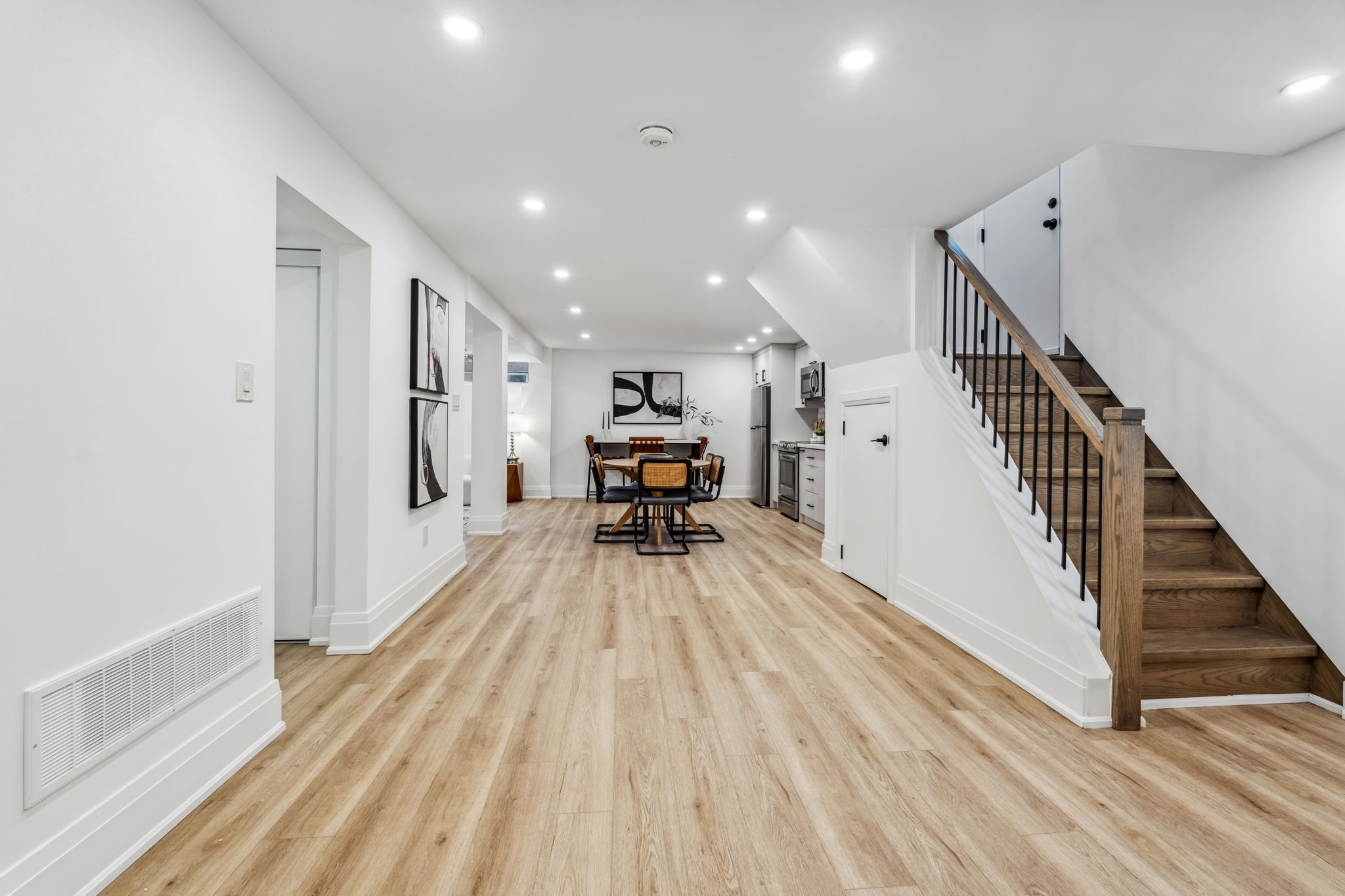
Are you considering turning your basement into a rental suite or a secondary dwelling unit? Whether you’re looking to offset your mortgage or increase your property’s resale value, “basement legalization” is a term you need to understand thoroughly.
In this guide, we will break down what a legal basement is, the requirements to achieve one, and why the legalization process is essential for your protection.
What is a Legal Basement?
In Canada, there is a significant difference between a finished basement and a legal basement apartment.
It is important to understand the difference:
- A finished basement is simply upgraded for personal use
- A basement suite includes living features like a kitchen and bathroom
- A legal basement apartment meets all legal requirements and is approved by the municipality
So, what makes a basement suite legal? A legal basement (often called a secondary suite or accessory dwelling unit) is a basement apartment that has been built in compliance with local municipal zoning bylaws, the Provincial Building Code, and Fire Code requirements.
Simply having a kitchen and a bathroom downstairs does not make it legal. To be “legal,” the unit must be registered with the city and must have passed all necessary inspections.
Why You Should Legalize Your Basement
Basement legalization is not just a formality. It directly affects safety, finances, and long-term value.
Here is why it matters:
- Safety: Proper exits, fire separation, and ventilation protect occupants
- Rental income: You can legally rent the unit without risk
- Property value: Legal units increase resale value significantly
- Financing benefits: Lenders are more comfortable with legal units
- Avoid penalties: Illegal basements can lead to fines or forced removal
Skipping basement legalization might save money upfront, but it creates serious risks later.
Key Legal Basement Apartment Requirements
To legalize a basement, the unit must meet specific standards. While codes vary slightly by province and municipality (such as Toronto, Mississauga, or Brampton), the core requirements generally include:
1. Ceiling Height
Most building codes require a minimum ceiling height. Generally, this is 2.1 meters (approx. 6’11”) for the majority of the suite. If your basement has lower ceilings, you may need to “underpin” or lower the floor to meet code.
2. Fire Separation and Safety
This is the most critical aspect of basement legalization.
- Fire Rating: The ceiling between the basement and the main floor must be fire-rated (usually using 5/8″ Type X drywall) to provide at least 30 to 60 minutes of fire resistance.
- Smoke Alarms: Interconnected smoke and CO2 alarms must be installed so that if one goes off in the basement, the alarm sounds on the upper floor as well.
3. Egress (Emergency Exits)
Every legal basement suite must have at least two ways to exit. One is typically the main entrance, and the second must be an Egress Window.
- The window must be large enough for an adult to crawl through (usually a minimum of 0.35 m² or 3.8 ft² of clear opening).
- If the window is below grade, it must have a window well that allows the window to open fully.
4. Independent Systems
To be a fully functional “apartment,” the suite usually requires:
- A dedicated kitchen with a stove, fridge, and sink.
- A bathroom with a toilet, sink, and shower/tub.
- Specific ventilation requirements (HVAC) to ensure air quality and moisture control.
The Process of Basement Legalization
Legalizing a basement is a multi-step journey that requires professional expertise:
- Zoning Review: Checking if your specific neighbourhood allows secondary suites.
- Architectural Drawings: Creating detailed floor plans and site plans.
- Permit Application: Submitting plans to the city for approval.
- Construction: Executing the build (or retrofit) according to the approved plans.
- Inspections: Passing plumbing, electrical (ESA), and building inspections to receive your Final Occupancy Permit.
Start Your Legalization Journey with Bianco Design Build
The requirements for a legal basement can be complex, involving structural, fire safety, and electrical standards. At Bianco Design Build, we specialize in navigating the bureaucracy of permits and the precision of construction.
We don’t just “finish” basements; we create safe, legal, and beautiful living spaces that protect your investment.
Ready to legalize your basement? Contact Bianco Design Build today for a consultation and ensure your home is up to code.
Frequently Asked Questions
What makes a basement apartment legal?
A basement apartment is legal when it is registered with the municipality and meets three specific standards: Zoning Bylaws (your area allows secondary suites), Building Code (structural, height, and light requirements), and Fire Code (fire separation and emergency exits).
How much does it cost to legalize a basement?
In Canada, the cost to legalize a basement in 2026 typically ranges between $60,000 and $120,000 for a full conversion of an unfinished space. If you are retrofitting an existing “non-legal” suite to meet current codes, costs are generally lower, ranging from $15,000 to $40,000.
Do I need permits to turn my basement into a rental suite?
Yes. You generally need at least three types of permits:
- Building Permit: For structural changes, walls, and windows.
- Plumbing Permit: For the new kitchen and bathroom lines.
- Electrical Permit: Issued by the ESA (Electrical Safety Authority) to ensure the wiring can handle the additional load safely.
How do I ensure my basement complies with local zoning laws?
Zoning laws dictate things like parking spots, entrance locations, and “density” (how many suites are allowed on one lot). The best way to ensure compliance is to:
- Check your city’s Official Plan or Zoning Map.
- Consult with a professional design-build firm like Bianco to conduct a preliminary zoning search before you start drawing plans.
What are the safety standards for a legal basement apartment?
The “Big Three” safety standards are:
- Egress: A window or door large enough for a firefighter to enter and an occupant to exit during a fire.
- Fire Rating: A fire-resistant barrier (drywall) between the units to provide exit time.
- Interconnected Alarms: Smoke and Carbon Monoxide detectors that communicate with each other throughout the entire house.