
The Ultimate Guide to Home Renovation Ideas in 2026
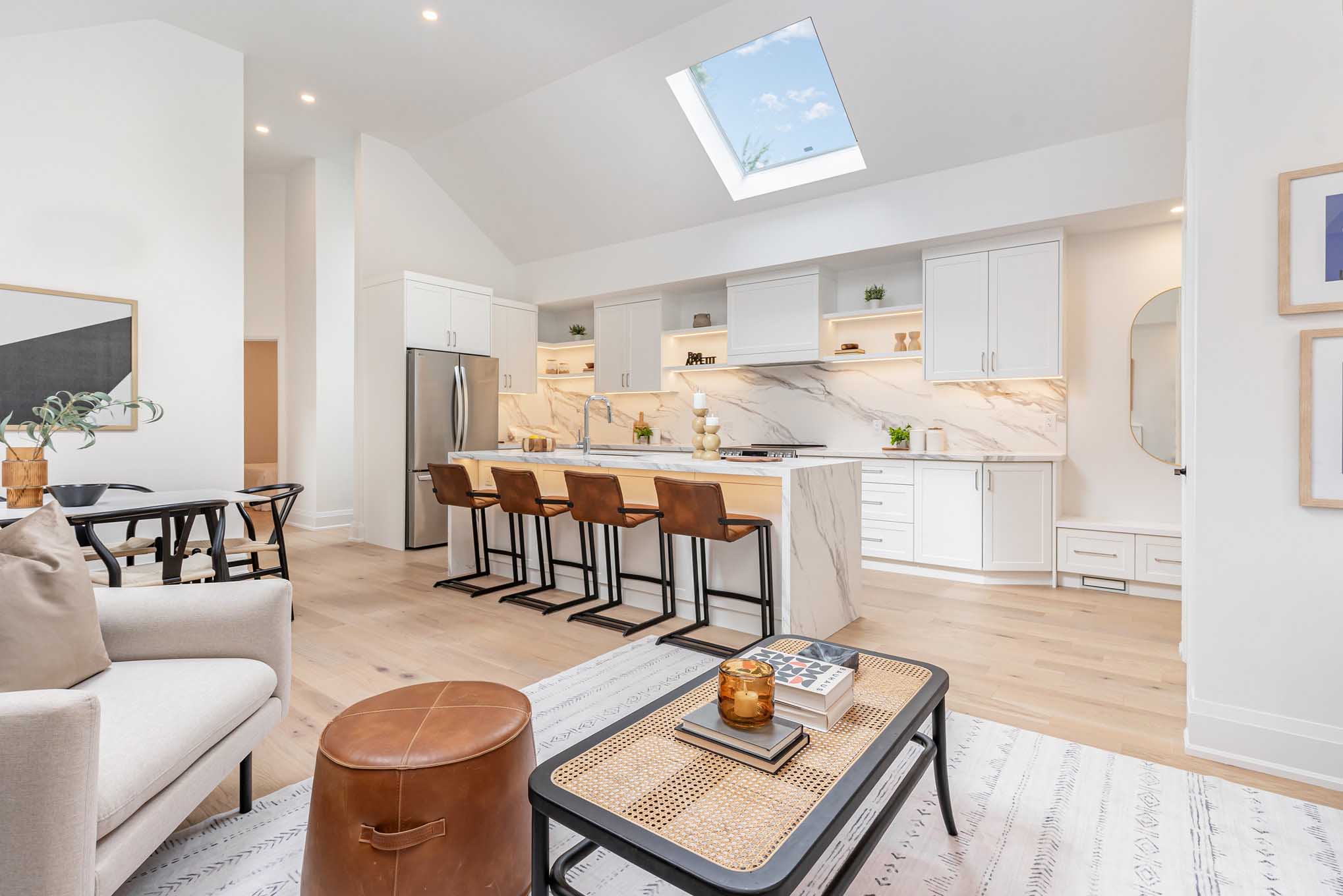
In 2026, more homeowners are choosing home renovations not as a short-term trend, but as a strategic investment in how they live. Rather than leaving a neighbourhood they love or purchasing a new property that still requires compromises, they are improving the home they already have and reshaping it around their current and future needs. Homeowners who plan to stay for years want spaces that feel more intentional, more efficient, and easier to live in.
For many people, the starting question is simple: should you renovate or move? Moving can appear easier on the surface, but it often comes with significant transaction costs, limited inventory, adjustment stress, and the risk of exchanging one set of problems for another. A well-planned renovation offers something different: the opportunity to improve your home in a targeted, personalized way.
This home renovation ideas guide covers the essentials homeowners should understand before starting, including why renovations add value, what affects renovation costs, how to choose the right renovation contractor, and what to plan early to avoid expensive mistakes.
What Is a Home Renovation?
A home renovation is the process of improving, updating, or transforming part or all of a residential property. Depending on the project, that can range from finish updates to a complete structural reconfiguration.
Broadly, renovations fall into two categories:
- Cosmetic Renovations: These focus on surface-level improvements such as flooring, paint, lighting, trim, cabinetry updates, hardware, and fixtures.
- Structural Renovations: These involve bigger changes such as wall removal, layout reconfiguration, framing, plumbing, electrical upgrades, insulation improvements, or mechanical adjustments.
It is also important to distinguish between partial and full-scale work. Some people begin with a single room. Others pursue a full home renovation that rethinks the property more holistically. Common project types include kitchen renovations, basement renovations, condo renovations, or whole home remodelling.
A kitchen project may improve function at the centre of daily life. A basement project may unlock underused square footage. A condo project may focus on storage, layout efficiency, and building-specific restrictions. If you are planning a condo renovation in Oakville, see our condo renovation in Oakville page for location-specific project information. A larger custom home renovation may address multiple levels, design cohesion, and the overall experience of the home as one connected environment. For homeowners in Ajax considering extra living space, our home additions and extensions in Ajax srevice is a useful next step.
Why Home Renovations Add Long-Term Value
The value of home renovations should never be measured only by resale potential. The strongest projects improve both the financial and practical performance of the home.
A renovation can add long-term value in several ways:
- Property Value Improvement: Updated kitchens, functional basements, improved layouts, and cohesive finishes often strengthen market appeal.
- Functional Performance: Better storage, smarter circulation, improved lighting, and more efficient room relationships can significantly improve daily life.
- Energy Efficiency: Renovations often create opportunities to upgrade insulation, windows, doors, lighting, and systems.
- Lifestyle Upgrades: A home that supports entertaining, remote work, family routines, or multigenerational living has real long-term value.
- Aging-in-Place Improvements: Thoughtful planning can make a home safer and more adaptable over time.
From the family’s perspective, the most meaningful value often comes from living in a home that finally works the way it should.
Understanding Home Renovation Costs
Understanding renovation costs early is essential, but homeowners should avoid treating renovation pricing as a generic online estimate. Costs vary significantly based on what is being changed, how extensive the work is, and what conditions are discovered once the project begins.
The main cost drivers typically include:
- Scope of Work: A cosmetic update and a structural redesign are not comparable in labour, complexity, or risk.
- Materials and Finishes: Cabinetry, flooring, countertops, tile, fixtures, millwork, and appliances all affect investment level.
- Labour and Trade Coordination: Skilled execution, sequencing, and project management all contribute to the final cost.
- Existing Conditions: Older homes may involve hidden issues, outdated systems, or code-related upgrades.
- Permits and Compliance Requirements: Depending on the scope, approvals may influence cost and scheduling.
People benefit from approaching budgeting strategically rather than optimistically. A realistic budget should reflect both visible design goals and the less visible realities of construction. For a home renovation in Toronto, an early property assessment can help connect that budget to the actual layout, existing systems and scope of work.
The Home Renovation Process Explained
A well-managed home renovation process should feel structured, not chaotic. While every project differs, most professional renovations move through a sequence of clear stages.
Consultation
This is where priorities, lifestyle needs, budget range, property conditions, and project goals are discussed. It is also where early feasibility begins to take shape.
Design
The design phase transforms ideas into a workable plan. Layouts are refined, functional problems are solved, and the visual direction becomes clearer. Good design is not only about appearance. It is about making the space work better.
Permits
Where required, permits and technical documentation must be addressed before construction. This is particularly relevant for layout changes, structural work, plumbing, electrical, basement work, and larger-scale remodels.
Construction
This is where planning is tested. The success of construction depends on scheduling, site management, trade coordination, procurement, communication, and quality control.
Final Inspection
The closing stage should include walkthroughs, final checks, deficiency review, and a clear handoff process so the homeowner can move forward with confidence.
Choosing the Right Renovation Contractor
Choosing a renovation contractor is one of the most important decisions in the entire project. A renovation team does more than build. It influences communication quality, site organization, budget control, scheduling, and the homeowner’s overall experience.
A strong contractor selection process should consider:
- Experience with similar project types
- Ability to manage both design and construction realities
- Communication standards
- Scope clarity
- Project management structure
- Licensing, insurance, and accountability
For many homeowners, the design-build model offers clear advantages over a fragmented traditional approach. When design, planning, and construction are managed under one structure, there is often better continuity from concept to completion.
This matters because your experience is shaped not only by the final result, but also by how decisions are handled throughout the project. A capable team should make the process feel more transparent, more organized, and less reactive.
Planning Your Renovation: Key Decisions to Make Early
Strong renovation planning happens before construction begins. Early decisions shape everything that follows, from design and budget to logistics and approvals. The key decisions to make early include:
Budget Range
Clients do not need every detail finalized immediately, but they do need a realistic investment range. This helps align design decisions with financial expectations from the outset.
Timeline Expectations
A renovation schedule depends on scope, design development, approvals, procurement, and site conditions. Unrealistic timing often creates avoidable pressure and disappointment.
Design Direction
Without a clear design direction, projects can become fragmented. Finishes, layouts, and details should support one consistent vision.
Structural Limitations
Not every wall can be removed, not every room can be expanded, and not every concept suits the existing home. Feasibility matters.
Permit Requirements
Permit-related issues should be identified early, not after design decisions are already in motion. Homeowners generally have a smoother experience when these decisions are made before products are selected and construction dates are discussed.
Kitchen Renovation as a Starting Point
A kitchen renovation is often the starting point for larger renovation conversations because the kitchen affects daily life more directly than almost any other room.
It influences:
- Cooking and meal preparation
- Storage and organization
- Traffic flow
- Entertaining
- Family interaction
- Integration with adjacent living areas
In many homes, kitchen problems are not limited to cabinetry or finishes. They involve layout inefficiency, poor lighting, insufficient storage, or a lack of connection to surrounding spaces. That is why the best kitchen projects are not simply cosmetic; they are strategic.
A kitchen can also act as the design anchor for a broader whole-home remodelling plan. Once the kitchen changes, homeowners often want neighbouring dining, living, and circulation spaces to feel equally cohesive.
Basement Renovation Opportunities
A basement renovation can be one of the most practical ways to increase usable square footage without expanding the home’s footprint.
A basement can be transformed into:
- A family lounge
- A guest suite
- A home office
- A gym
- A recreation area
- An income-generating suite, where permitted and designed properly
However, basement projects require careful attention to more than layout alone. Moisture control, insulation, ceiling heights, lighting, egress, fire separation, and building-code requirements all affect what is possible. For homeowners considering rental potential, legal compliance becomes especially important.
Whole Home Renovation vs. Room-by-Room
A common strategic question is whether to pursue a full home renovation or renovate one space at a time.
A whole-home approach often provides:
- Better Design Cohesion: The home feels more unified in layout, finishes, and visual identity.
- More Efficient Planning: Trades, materials, sequencing, and decision-making can be coordinated more effectively.
- Reduced Rework: Renovating one room in isolation may create inconsistencies or require later adjustments in adjacent spaces.
- A Stronger Long-Term Result: A holistic renovation tends to feel more intentional and complete.
Room-by-room work can still make sense, especially when investment needs to be phased. However, even phased projects should begin with a broader roadmap. Without one, the home can gradually become a collection of disconnected updates rather than a coherent transformation.
Common Renovation Mistakes to Avoid
Many renovation issues begin before construction starts. The most common mistakes usually involve planning, budgeting, or hiring decisions.
- Underbudgeting
An unrealistic budget creates strain from the beginning. Homeowners should plan for both expected costs and reasonable contingencies.
- Skipping Permits
Trying to bypass approvals may appear convenient in the short term, but it can create major legal, insurance, safety, and resale issues later.
- Hiring Unqualified Contractors
Low pricing alone is not a strategy. Experience, communication, project management, and accountability matter.
- Poor Scope Definition
When project goals are vague, decisions become reactive. That often leads to delays, change orders, and frustration.
- Prioritizing Finishes Over Function
A renovation should not only look better. It should work better.
How to Prepare Your Home for Renovation
Preparing properly helps clients move through the project with fewer disruptions and better expectations.
Key steps include:
- Review Living Arrangements: Decide whether remaining in the home is realistic during construction.
- Protect Belongings: Remove or securely cover furniture, electronics, artwork, and personal items near work zones.
- Clear Work Areas: A prepared site allows trades to work more efficiently and safely.
- Set Household Expectations: Noise, dust, temporary access restrictions, and routine changes are normal parts of major renovation work.
- Establish Communication Channels Early: Know who to contact, how updates will be shared, and how decisions will be documented.
The renovation experience tends to be more manageable when homeowners treat preparation as part of the project itself, not as an afterthought.
Is 2026 the Right Time to Renovate?
For many homeowners, 2026 is an appropriate time to move forward with home renovations if the decision is grounded in long-term value rather than short-term urgency.
Waiting indefinitely does not remove the need for change. In many cases, it extends inefficiencies, postpones quality-of-life improvements, and allows maintenance issues to compound. A carefully planned renovation can create better use of condo space, improve comfort, and strengthen the long-term performance of the home.
The better question is often not whether this is the perfect year, but whether the project is being approached with the right mindset:
- Clear goals
- Realistic budgeting
- Thoughtful design
- Qualified project leadership
- Long-term decision-making
That is what typically separates stressful renovations from successful ones.
Home renovations are a major investment, and they should be approached with the same level of seriousness as any other significant property decision. Whether the goal is a kitchen renovation, a basement renovation, a condo renovation, or a full home renovation, the outcome depends heavily on the quality of planning behind it.
If you are planning a home renovation in The Beaches, see our home renovation in The Beaches page for location-specific project information.
The more clearly homeowners define their goals, scope, budget, and design direction from the beginning, the more controlled and efficient the process tends to be. Good planning reduces stress, improves decision-making, and creates better results.
Just as importantly, the right team makes a measurable difference. Working with an experienced design-build company can make the client experience smoother by aligning planning, design, and construction under one structure. At Bianco, our approach is a fully integrated design-build experience focused on planning, construction quality, and complete home transformation.
Book a renovation consultation with Bianco to start planning your project.